
RB209, Agronomy and Why the UK Needs a New Delivery Model
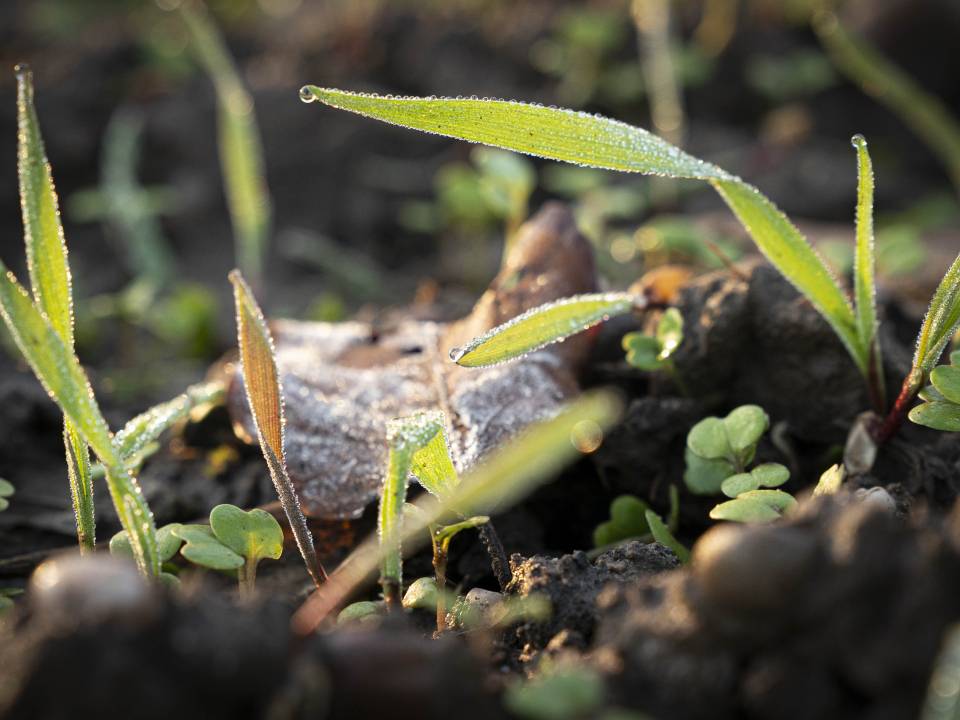
In February and March we see the same story across UK arable ground every year. Crops are technically moving again, daylight is improving, but uptake from cold soils hasn’t caught up. Fields lose colour, tillering stalls, performance plateaus, and very often the limiting factor is manganese availability.
This isn’t new science. ADAS, AHDB and NIAB-aligned research have highlighted manganese as one of the most common micronutrient challenges in UK cereals for years. What is changing is how we respond to it – and whether we’re prepared to use modern delivery methods to act at the right time rather than when conditions finally allow machinery onto the land.
RB209 Principles – Why This Isn’t Blanket Nutrition
The RB209 Fertiliser Manual is very clear on nutrient stewardship. Micronutrients should not be applied routinely, they should be applied where there is a defined risk based on soil type, crop condition and seasonal pressure.
That fits exactly with manganese, pre-Spring.
Cold soils, high pH, organic matter and winter rainfall all restrict availability. Crops start to demand more energy as day length increases, yet roots are still lagging behind. RB209 talks about right timing and right placement and this is a classic example of both.
This is not about adding more inputs. It’s about correcting a physiological bottleneck at the right moment.
Why Timing Matters - The Practical Agronomy
On paper, manganese deficiency sounds simple. In reality it’s usually hidden until yield potential has already been compromised. By the time visual symptoms appear, photosynthesis has already been limited for weeks. That’s why agronomists have traditionally used preventative or early corrective foliar applications where risk is known.
ADAS and AHDB research consistently shows:
- Availability drops in cold, wet soils
- High pH locks manganese up
- Foliar application is the most reliable correction route
From a RB209 perspective, that’s targeted, efficient nutrient use and not over-application.
Delivery Matters – The Increasing Relevance of Drones
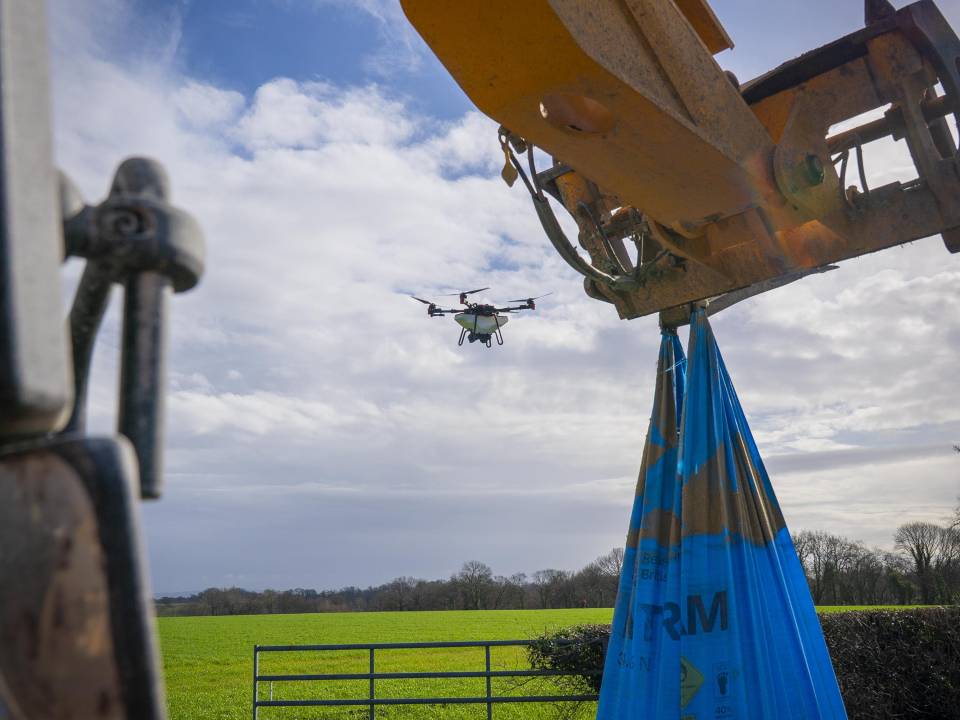
February and March are when ground conditions are at their worst. Heavy machinery creates compaction, damages structure and often forces growers to delay applications until March. This usually means the window has been lost for good.
Precision aerial application avoids that completely:
- No soil contact
- A change to reset water rate thinking, and look to lowering them
- Timely entry into fields that ground rigs simply can’t reach
Used properly, drones don’t change the agronomy, they are another tool in the book that allow the agronomy to happen when it needs to.
The AutoSpray Pilot Network – Turning Theory into UK-Wide Capability
The biggest barrier to adoption has never been the technology itself. It’s been scale, consistency and governance.
That’s exactly why we built the AutoSpray Pilot Network (ASPN).
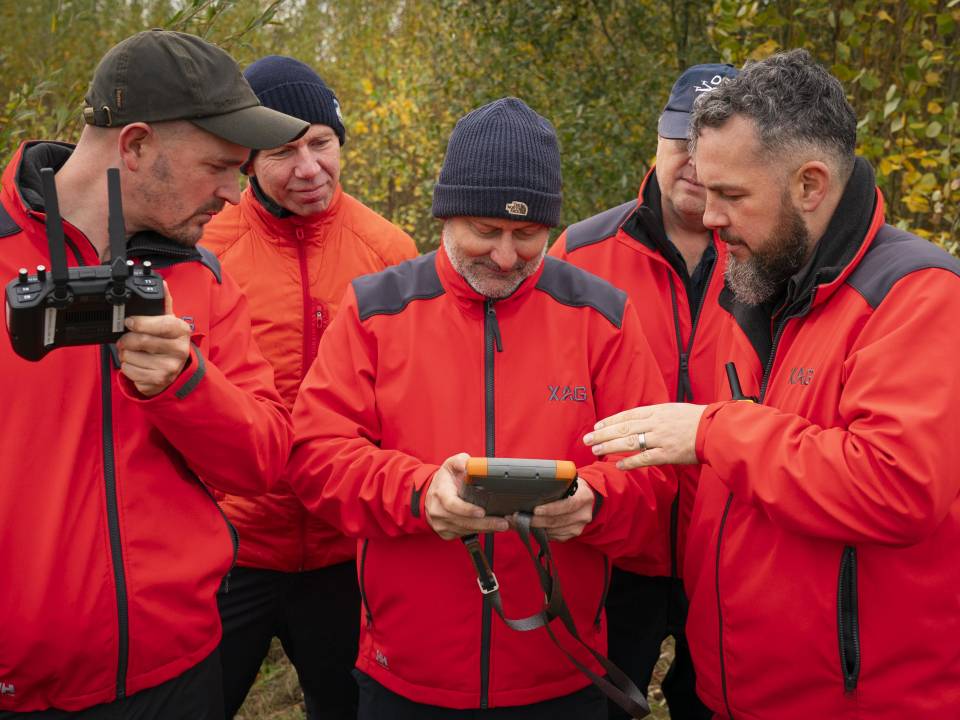
The ASPN provides a coordinated UK-wide operational framework that allows aerial application to move beyond isolated demonstrations and into structured delivery.
- A national network of trained remote pilots
- Standardised procedures aligned to operational permissions
- Centralised oversight
- Shared protocols for weather, buffers and application limits
- A Gold standard of professionalism
This isn’t about replacing agronomists or machinery. It’s about creating another tool that allows growers to act during short agronomic windows, especially in months like February and March.
Why This Aligns with RB209 Environmental Objectives
RB209 isn’t just about yield it’s about responsible input use. Early, targeted manganese application delivered precisely can:
- Reduce the need for later rescue treatments
- Avoid unnecessary field passes
- Protect soil structure during wet periods
In other words, it supports both agronomic performance and environmental stewardship. This is a balance that should have wider recognition.
Where This Needs to Go Next – Industry Engagement and Practical Adoption
If we want agriculture to become more resilient, we need to move past the idea that aerial application is experimental. Pre-Spring manganese is a clear example where science, regulation and operational capability already align.
What’s needed now is engagement.
Growers managing high-risk soils should be looking at how aerial micronutrient strategies fit into wider nutrition planning. Agronomists and BASIS advisers should be involved in shaping best practice as this evolves. And the organisations that represent UK farming need to be part of the conversation around how precision delivery can support RB209 outcomes at scale.
Through ASPN we have a national capability that allows multiple regions to be serviced simultaneously under a common safety and governance framework. That matters, because adoption doesn’t come from isolated trials, it comes from consistent delivery across real farms, in real conditions.
For ASPN pilots and partners, content like this isn’t theory it’s context. It explains why early season aerial work exists and reinforces that everything we do must remain agronomy-led, safety-governed and professionally accountable.
The opportunity in front of us is simple. If we want growers to act at the right time rather than the convenient time, we need delivery models that match the reality of UK farming conditions.
And that’s a conversation the whole industry should now be leaning into.
Contact Us
Ready to take flight?