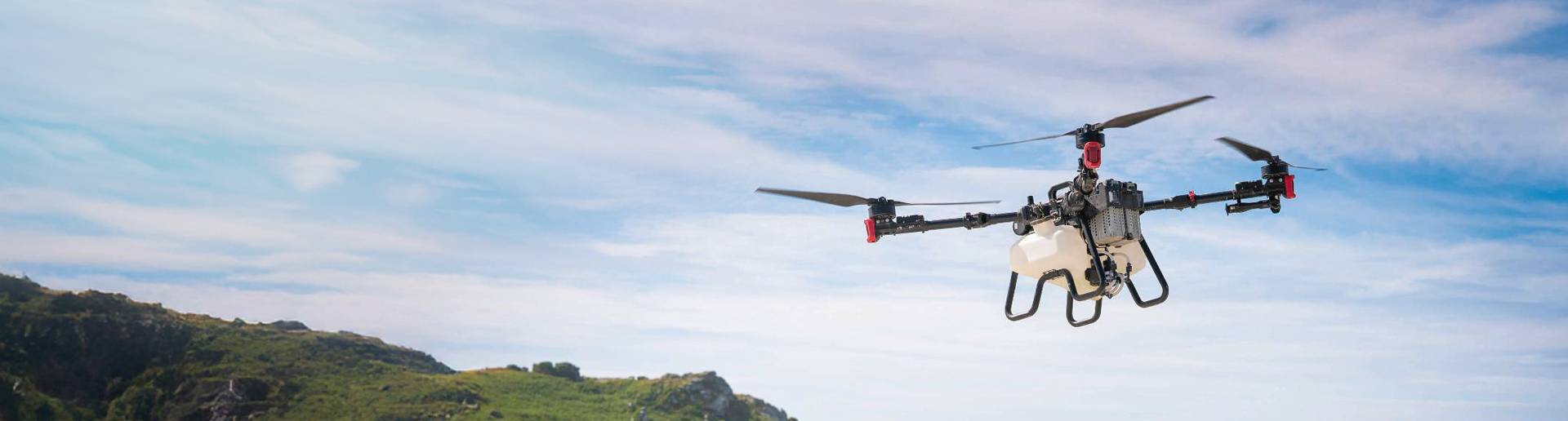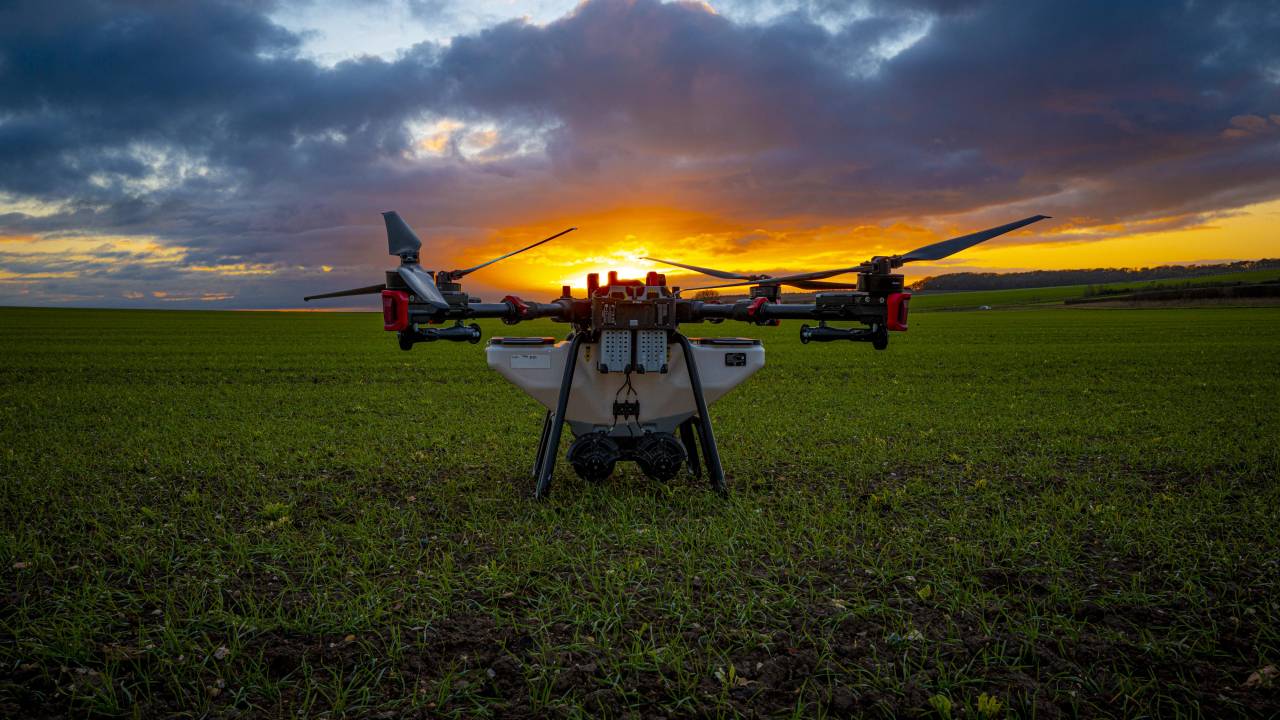
SFI26 is a timely opportunity for AutoSpray Systems ASPN pilots using XAG agricultural drones, but the opportunity needs to be framed correctly.
This is not about telling farmers that SFI will pay for drones. It will not. SFI26 pays farmers and land managers to carry out sustainable land management activities. The drone opportunity is that many of those activities require practical delivery: seed establishment, re-establishment, repeat spreading, variable-rate nutrient work, accurate placement, low-impact access and good records.
That is where trained ASPN pilots using XAG equipment can add value.
The important conversations are happening now. Farmers, landowners, growers, agronomists and land agents are deciding which SFI26 actions to apply for, where those actions will sit, which areas will be static or rotational, and how the work will be delivered over the agreement period. Once those decisions are made, the work will start to be allocated.
For ASPN pilots, waiting until a seed mix needs spreading is too late. The right time to speak to clients is before the plan is finalised.
The opportunity is practical delivery, not scheme advice
A professional drone pilot should not try to replace the farmer, agronomist, land agent or scheme adviser. The role of the ASPN pilot is to provide a practical, compliant and repeatable XAG delivery service where drone application is appropriate.
That might mean broadcasting an agreed herbal ley, legume fallow, pollen and nectar mix, winter bird food mix, flower-rich grass margin or grass buffer strip. It might mean delivering a variable-rate major nutrient application where the operation meets PRF1 requirements. It might mean repeat supplementary winter bird food spreading at agreed feeding areas. It might mean providing job sheets, rates, dates, maps and photos that help the farmer maintain records.
The best commercial message is simple:
We can help you deliver the agreed SFI land management work accurately, with less ground pressure, better access to awkward areas, repeatable application and useful operational records.
That is a stronger message than simply saying: “We have a drone.”
Why XAG drones fit the SFI26 delivery gap
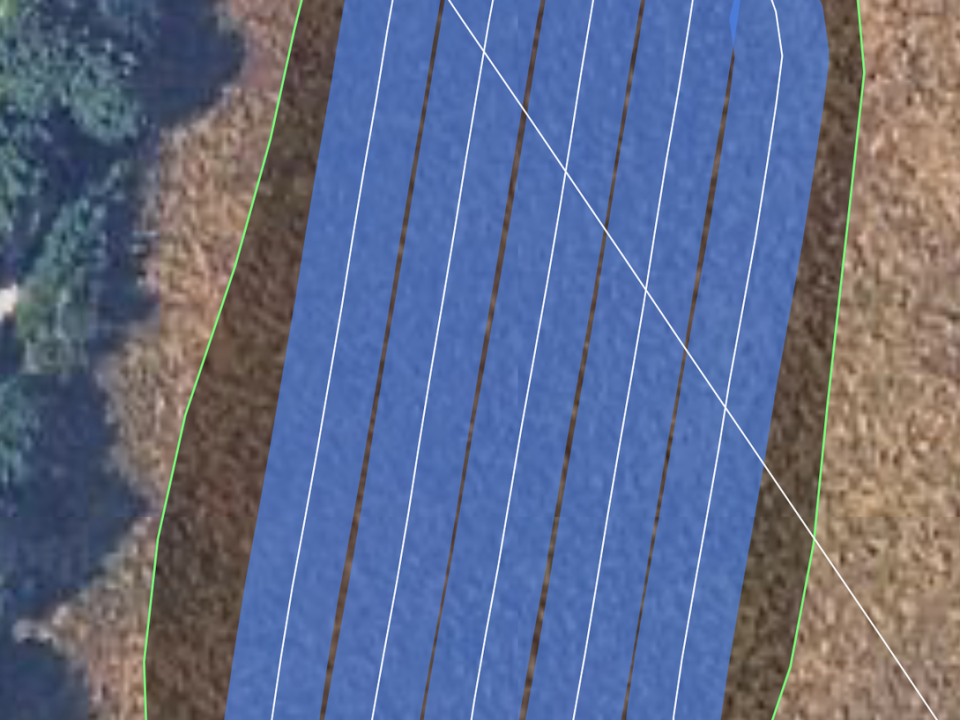
XAG systems are designed for agricultural spraying and spreading work. For SFI26, the spreader capability is particularly relevant because many of the clearest opportunities are establishment jobs: strips, corners, blocks, margins and awkward field areas where seed needs to be placed accurately and at the right time.
These are often the areas that conventional machinery struggles to justify economically. They may be narrow, wet, steep, irregular, close to water, tucked into corners, or sensitive to trafficking. Using an XAG drone may help the farmer establish the agreed area without unnecessary wheelings or soil disturbance.
The value to the landowner or grower is not only speed. It is timing, access, accuracy and evidence. A professional XAG operation can record the date, area, product, seed mix, rate, location and job details. That matters because SFI delivery is not only about doing the work; it is also about being able to show what was done if evidence is requested.
“The strongest opportunity is not one flight. It is a planned, repeatable land management support relationship.”
The best SFI26 areas for ASPN pilots to target
The strongest opportunities for XAG and ASPN are the actions where aerial spreading, seeding, variable-rate nutrient work or repeat delivery can genuinely support the land management outcome. These should be approached carefully and always with the farmer, agronomist or land adviser involved.
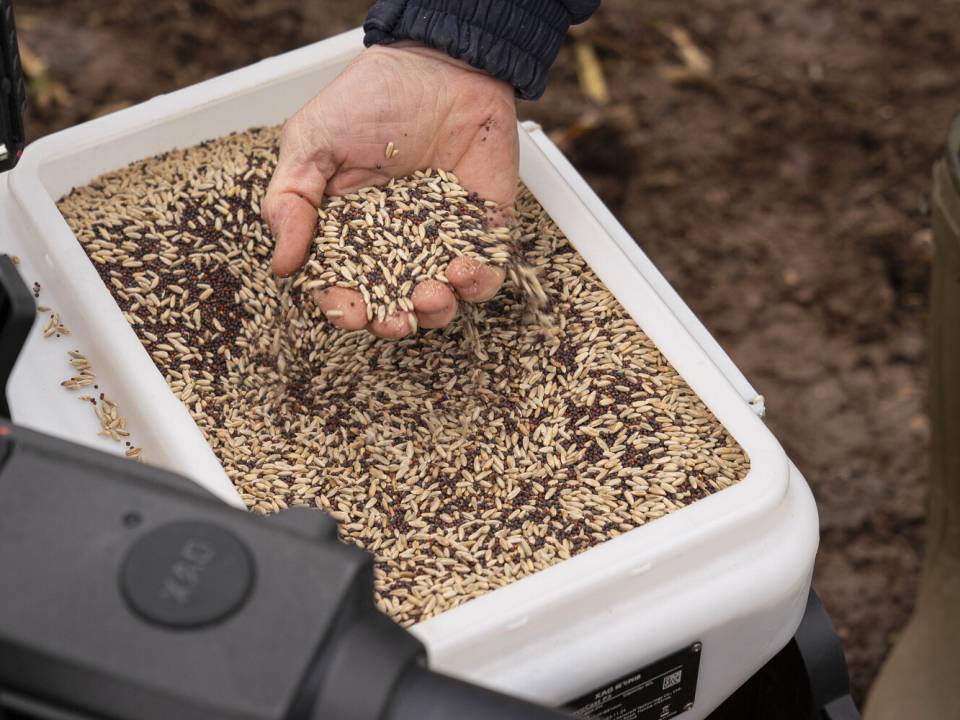
1. Seed establishment and re-establishment
This is the most straightforward SFI26 opportunity for many ASPN pilots.
Relevant actions include CSAM3 herbal leys, CNUM3 legume fallow, CAHL1 pollen and nectar flower mix, CAHL2 winter bird food, CIPM2 flower-rich grass margins, CAHL3 grassy field corners or blocks, CAHL4 and CIGL3 grass buffer strips, BFS1 and BFS6 watercourse or habitat strips, and other strip or grass establishment actions where sowing or oversowing is required.
The XAG role is to help establish the agreed mix in the agreed place, at the agreed rate, at the right time. That may include field corners, margins, narrow strips, in-field blocks, watercourse buffers, wet ground, headlands and other areas where a drone may be more practical than a tractor-mounted spreader or drill.
The pitch to the farmer should be specific:
“If your SFI plan includes seed mixes in awkward strips, corners or blocks, we can price the XAG spreading work now and build it into the delivery plan before the field layout is fixed.”
There is one important agronomic caution: establishment still has to succeed. A drone can place seed, but seed-bed, timing, weather, soil-to-seed contact, species choice, seed quality, competition and aftercare all matter. ASPN pilots should work from the agronomist or land adviser plan rather than inventing the seed prescription themselves.
There is also a compliance caution. Several habitat actions restrict fertiliser, manure and pesticide use once the area is established. That means these actions should mainly be presented as XAG seeding, re-seeding, oversowing and evidence opportunities, not routine fertiliser opportunities.
2. Variable rate major nutrients under PRF1
PRF1 is the clearest nutrient application opportunity, but it must not be overclaimed.
PRF1 is about variable rate application of major nutrients. For a drone operation to be relevant, the XAG system and workflow would need to apply the relevant major nutrient using a variable rate file or suitable sensor-linked approach, and the farmer would need the correct evidence, including an as-applied VRA record.
A normal flat-rate drone application should not be described as PRF1 delivery. Likewise, a biostimulant, trace element or general foliar support product should not be implied to satisfy PRF1 unless the product and operation meet the major nutrient and variable-rate requirements.
The right ASPN approach is:
“If your agronomist is preparing variable-rate nutrient plans, let us discuss whether the XAG platform can deliver the relevant product as part of a compliant VRA workflow and provide the required job records.”
That wording keeps the opportunity open without promising something the scheme rules do not support.
3. Supplementary winter bird food
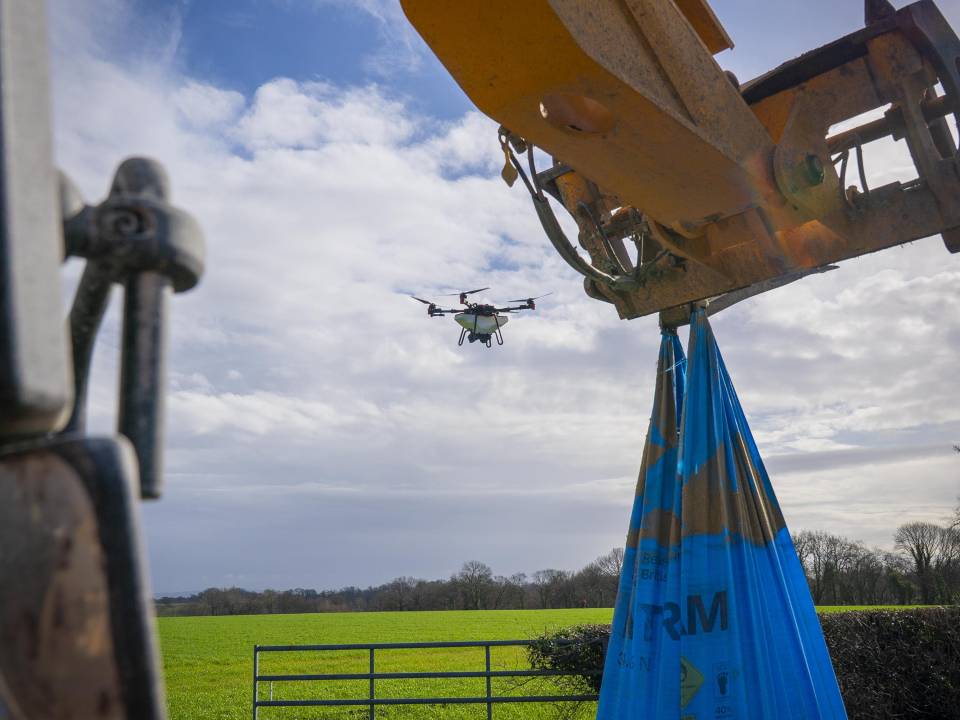
AHW2 supplementary winter bird food may create a valuable repeat seasonal service because the action requires seed mix to be spread at multiple feeding areas at least weekly over winter until mid-spring, usually from early December to late April.
This could suit an XAG spreading service, but it needs to be handled carefully. Feeding areas must meet the action requirements, including being firm and free draining and close to existing winter bird food, enhanced overwinter stubbles or game cover. The farmer must also keep the required feeding diary.
For ASPN pilots, this is a good example of how SFI26 can support recurring work. It is not a single job. It is a planned, repeatable service with locations, dates, amounts and records.
4. Evidence and operational records
A professional XAG service can provide more than the application itself. It can give the farmer a simple evidence pack after each job: field or parcel reference, mapped area, seed or product, rate, date, operator, machine, weather notes, invoice, photos and job record.
That does not make the drone pilot responsible for the farmer’s SFI agreement. The farmer remains responsible for scheme compliance. But it does make the ASPN pilot a more useful contractor and a more credible partner to the agronomist or land manager.
Turning SFI26 into recurring work
The commercial opportunity for ASPN pilots is not just one flight. It is the potential to build a multi-visit support relationship over the life of the SFI agreement.
That relationship might look like this:
· Planning phase: speak to the farmer, grower, agronomist or land agent before field choices and action locations are finalised.
- Year 1: establish agreed seed mixes, support eligible variable-rate nutrient work, and provide records and evidence after each job.
- Year 2: return for remedial seeding, oversowing, rotational re-establishment, annual winter bird food establishment or weekly supplementary feeding where relevant.
- Year 3: repeat required seasonal work, support re-establishment where the action requires it, and help the farmer plan the next cycle of land management.
Not every SFI action will need a drone every year. Some areas may be established once and then maintained by grazing, cutting or other management. Some may be static, some rotational. Some may need no aerial application at all. That is why the pilot needs to be involved early enough to understand the action, not just the acreage.
The aim is to move from a one-off contractor mindset to a land management support package: planned, costed, repeatable and aligned with the agronomist or adviser.
The time to act is now
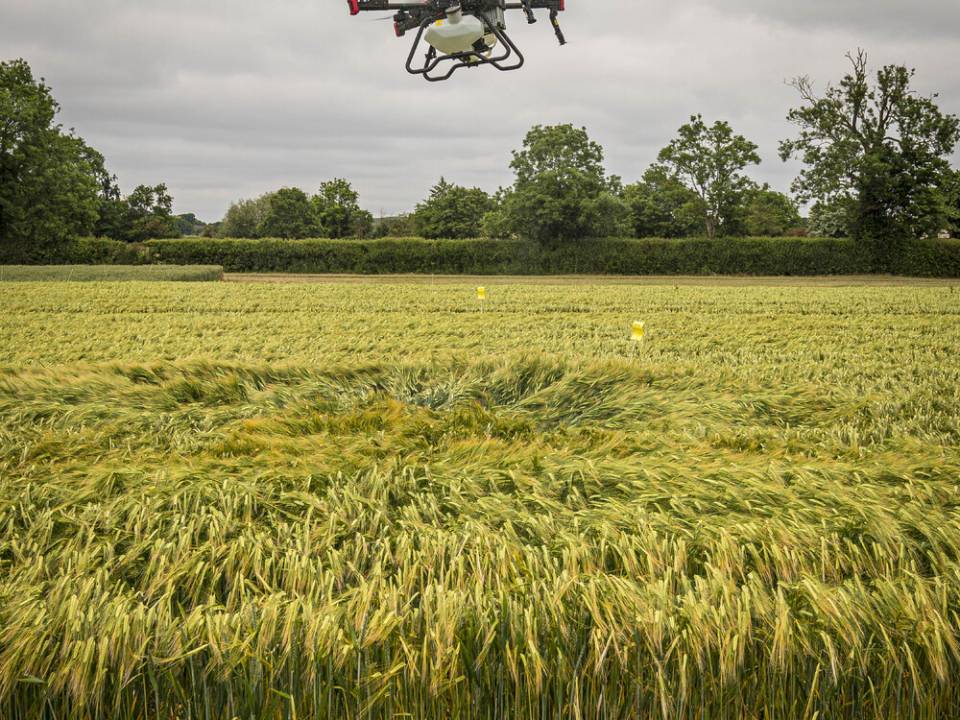
SFI26 decisions are being made now. Farmers and advisers are identifying actions, parcels, field corners, strips, buffers and establishment timings. Contractors who are part of those conversations early are much more likely to be included in the delivery plan.
For ASPN pilots using XAG drones, this is the moment to move the conversation from one-off drone jobs to recurring land management support.
Speak to your clients. Speak to their agronomists. Ask which SFI26 actions they are planning. Identify where XAG spreading or application can add practical value. Price the work as a planned support package. Provide records that make life easier for the farmer and land manager.
The opportunity is not simply to fly more acres. The opportunity is to become part of the farm’s delivery team over the life of the SFI agreement.
SFI26 is a land management commitment. ASPN pilots should be part of delivering it, professionally, accurately and at the right time.
Here is a link to the scheme launched by Department for Environment, Food and Rural Affairs https://defrafarming.blog.gov.uk
Contact Us
Ready to take flight?