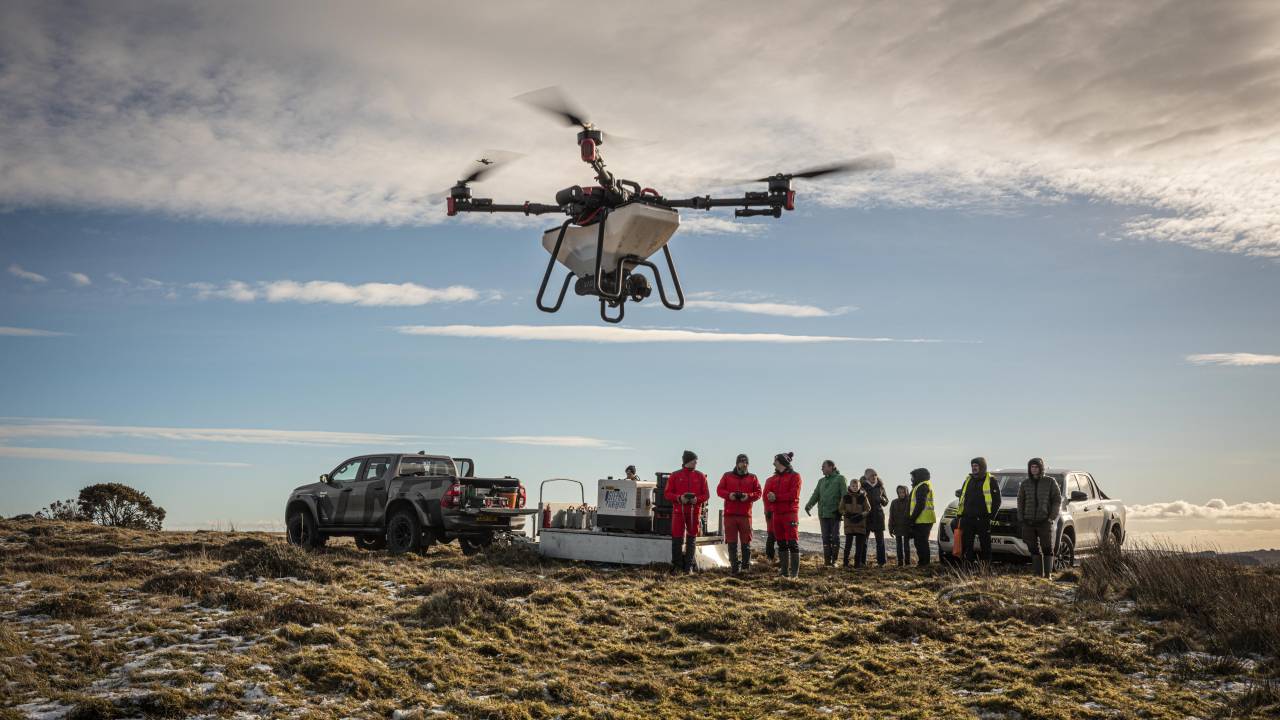
The UK regulatory reality for commercial drone spraying
Compliance is the most important factor
In the agri-drone market, the most persistent misconception pushed to new entrants is the idea that transformative regulatory approvals for drone pesticide application are ‘just around the corner’. But regulatory changes don’t just happen.
The reality is that drones applications have never been banned. They simply haven’t been formally assessed because no one had taken a compliant application to the regulator. That’s where we stepped in at AutoSpray. The barrier wasn’t the regulation itself, but the absence of a proper pathway and supporting data.
AutoSpray has established that pathway and collaborated with leading universities to develop that supporting data, giving XAG operators a clear advantage right now and new entrants a clear choice:
- The ASPN Pathway: By joining the AutoSpray Pilot Network (ASPN), you can be up and running within a week. Many pilots complete their training on Thursday, collect their drones on Friday and are eligible to start operating right away.
- The Competitor Pathway: We’ve seen half-a-dozen pilots who bought a competitor drone on the advice that they ‘just had to apply to the CAA for a licence.’ None were able to get a license to operate. The process for gaining your own license is expensive, technically challenging, and can take the best part of a year – even if all goes well.
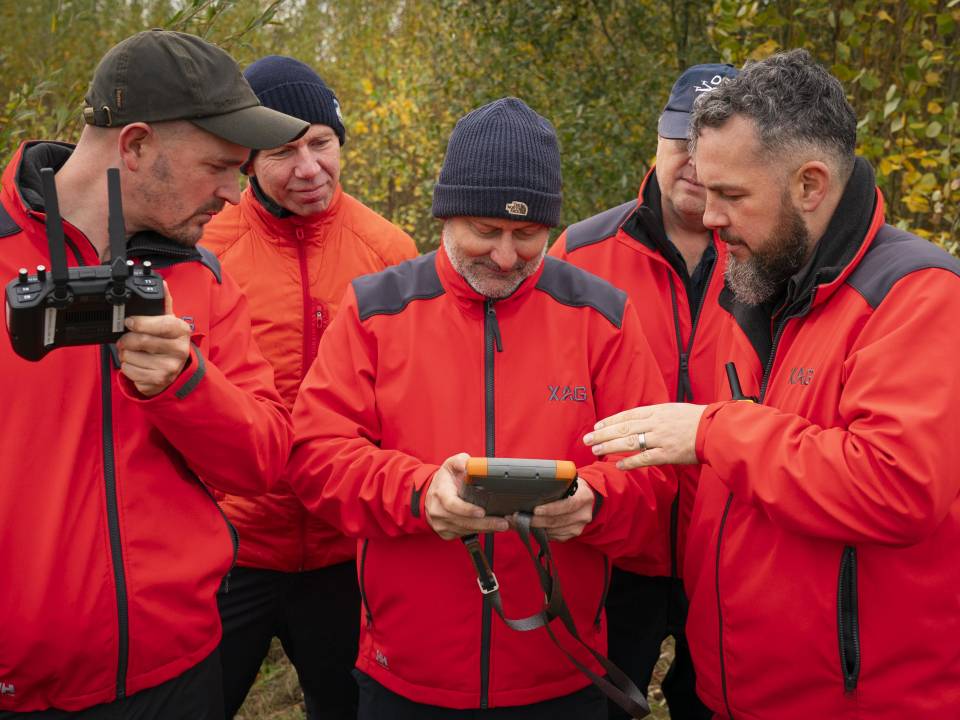
The three exclusive advantages of the ASPN

The Operational Authorisation (OA) framework built by AutoSpray grants XAG pilots a massive commercial advantage that competitors simply cannot access.
- Get Up And Running Fast: Regular monthly training sessions take you from a basic drone background to an agri-drone operator in a week.
- Membership of the ASPN: Join the UK’s largest and fastest-growing commercial agri-drone group, with regular CPD sessions and technical briefings.
- Product Development & Market Pathways: AutoSpray works directly with chemical manufacturers to generate regulatory-standard data and bring new use cases to market.
Additional Operator Permissions
Beyond initial authorisation, the ASPN framework provides a modular pathway for pilots to expand their operational envelope as their commercial needs evolve. We call these Additional Operator Permissions (AOPs).
Through structured CPD modules and competency assessments, ASPN pilots can progressively access additional qualifications. From 24hr All-Weather Operations and Reduced Distance Operations, to Beyond Visual Line of Sight, we’re adding new AOPs all the time. In January 2026, we were pleased to include the Lantra-certified Forestry Works Manager qualification.
This progressive permissions framework allows operators to systematically grow their capabilities and commercial offerings. Competitor operators lack this form of structured progression pathway, as their resellers are only interested in selling drones and don’t understand the marketplace, making them unwilling to engage with regulators on behalf of their customers.

Future-proofing your investment: the SORA hurdle
The shift to the new SORA framework (Specific Operations Risk Assessment) has the potential to stop the agri-drone market in its tracks. This framework focuses on stringent requirements for aircraft assurance, containment robustness, and evidence-based safety arguments.
- The ASPN Advantage: AutoSpray Systems is currently leading the groundwork on aircraft assurance and robustness to ensure ASPN pilots are the first to access this pathway.
- The Competitor Risk: Large drones with a wingspan of over 3m without SAIL ratings, will not be able to operate in 75% of the country due to population density. Only AutoSpray has the ability and support to successfully navigate this huge hurdle.
While XAG ASPN operators move forward, competitors will be left operating older, smaller, and much less efficient drones.
Contact
Ready to take flight?